
category
Dec 9, 2025
'My mother's journey shows how immigration has benefited NHS'
Bromsgrove Advertiser
OUR successful, diverse, multicultural, ethnically-rich and cosmopolitan county has benefited enormously from immigration.
In 2025 we celebrated not just 77 years of the NHS but also since the HMT Empire Windrush arrived in England.
On June 22, 1948, the ship arrived in Essex, carrying hundreds of passengers from the Caribbean to help fill post-war workforce shortages.
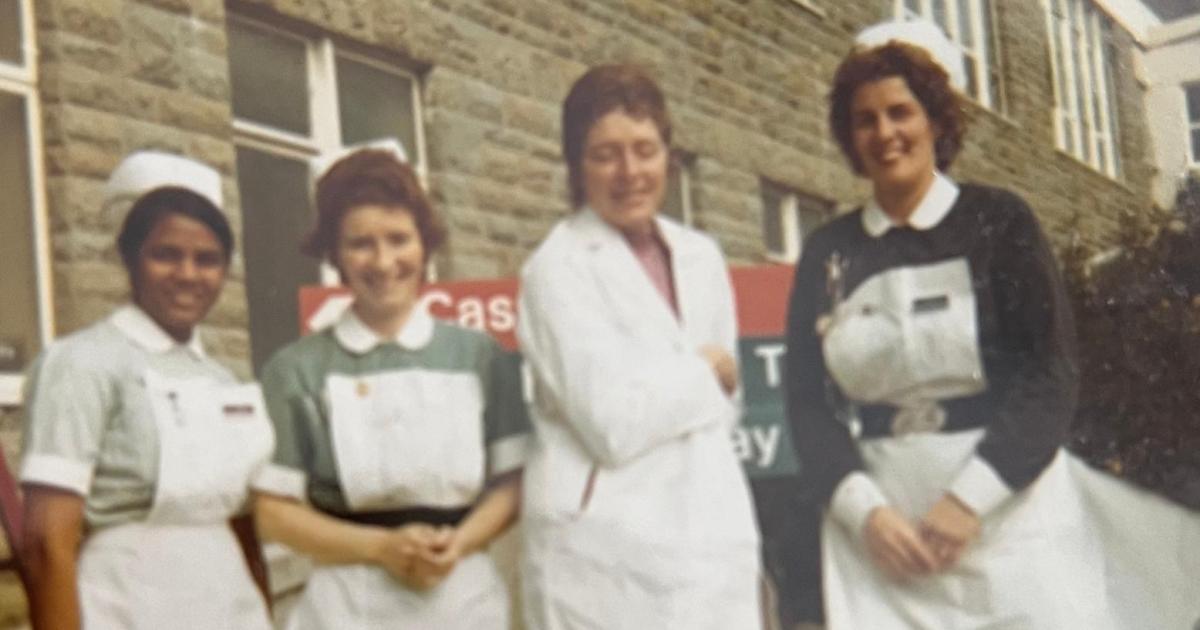
My mum Dolly Jaggernauth was part of the Windrush generation who came to Britain from Trinidad to train and work as a nurse in the NHS.
On July 5, 1948, the NHS was created by the Labour government.
Since then people from around the world have continued to contribute tirelessly to the NHS, making it a diverse and unique national treasure.
It is a national service but its staff could not be more international.
Data from research studies tells us international migration is good for the NHS. Migrants are an essential part of the healthcare workforce.
They are the doctors, nurses, pharmacists, physiotherapists, occupational therapists, administrators, porters, caterers, cleaners and other professionals that save lives and look after patients in our county.
Data from the NHS Workforce Race Equality Standard shows Black And Minority Ethnic (BAME) staff make up almost a quarter of the NHS workforce overall, amounting to 24.2 per cent or 383,706 staff which is an increase of 27,500 people since 2021.
The analysis shows more than two fifths, or 44.3 per cent of doctors, and over a third, or 33.6 per cent, of nurses, midwives, and health visitors are from BAME backgrounds.
As of June 2025 around one in five, or 21 per cent, of all NHS staff in England reported a non-British nationality, representing over 200 different nationalities.
Immigration significantly benefits the NHS by filling critical severe workforce shortages.
In the year ending March 2023 nearly 100,000 people were granted skilled worker visas for health and care roles, making up more than half of those issued.
So the NHS needs more s