
category
Dec 9, 2025
Living with Disability in Zimbabwe: Inclusion Now for a Just and Equal
The Southern African Times
In 1992, the United Nations declared 3 December the International Day of Persons with Disabilities. On this day the world is meant to pause, if only briefly, to confront how it treats over 1 billion people living with disabilities. One out of every eight people on this planet! Disability is not marginal; it is universally woven in humanity. Here in Zimbabwe, the statistics are just as powerful and the figures not negligible for policymaking and developmental plans such as NDS 2: more than 1.2 million people (9% of our population) are persons with disabilities, each with a story to tell and a right to belong.
Surviving environments Not Built for Us
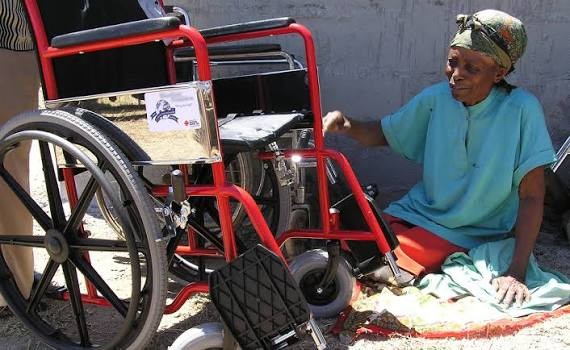
As a person with disability, assistive devices are tools that enable independent living, yet they also reveal the built and attitudinal barriers that shape our daily lives. Obliviousness makes people believe disability lies in the body alone; yet often, it is the environment that disables. For many Zimbabweans with disabilities, accessibility is still the exception, not the norm. Ramps are few, most buildings and public transport are largely inaccessible, and pavements -- where they exist -- are unfit for purpose. Even basic inclusive facilities like public toilets are rare to nonexistent in most cities, including the capital, Harare. Every one of these barriers sends a message: "This space is not for you." Yet accessibility is not charity; it is a right, and the foundation of human dignity.
Zimbabweans are resilient people in the face of difficulties, but persons with disabilities embody more resilience. In Zimbabwe, as in much of Africa, scarce resources, and competing budget priorities mean disability is not only a medical issue; it is an experience defined by societal choices and policy decisions. A person with a disability navigates obstacles such as physical, economic, and social, frequently with inadequate support systems, limited assistive devices, and inadequate rehabilitation services. But truly speaking, resi