
category
Dec 9, 2025
Choline: the 'under-appreciated' nutrient
The Week
There's emerging evidence that a compound called choline could play an under-appreciated role in our health - and particularly in the functioning of our brain.
New research suggests low blood levels of choline in obese people could contribute to brain ageing and potentially trigger the kind of neurodegenerative changes that can lead to Alzheimer's disease.
This study finding, along with others looking at choline's role in preserving memory and bone health, and avoiding depression and anxiety, has led some scientists to class choline as a "wonder nutrient" that "has been hugely overlooked", said BBC Future.
Choline is a nutrient that essential to our health. It's not a vitamin or a mineral but an organic compound that's closely related to the B-vitamin group.
We need it for "numerous functions in our bodies", says BBC Future. These include liver function, synthesising phospholipids (key components of cell membranes), and producing acetylcholine, a brain chemical that plays a major role in memory, thinking and learning processes. Scientists have also linked good levels of choline to higher bone density and better mental health.
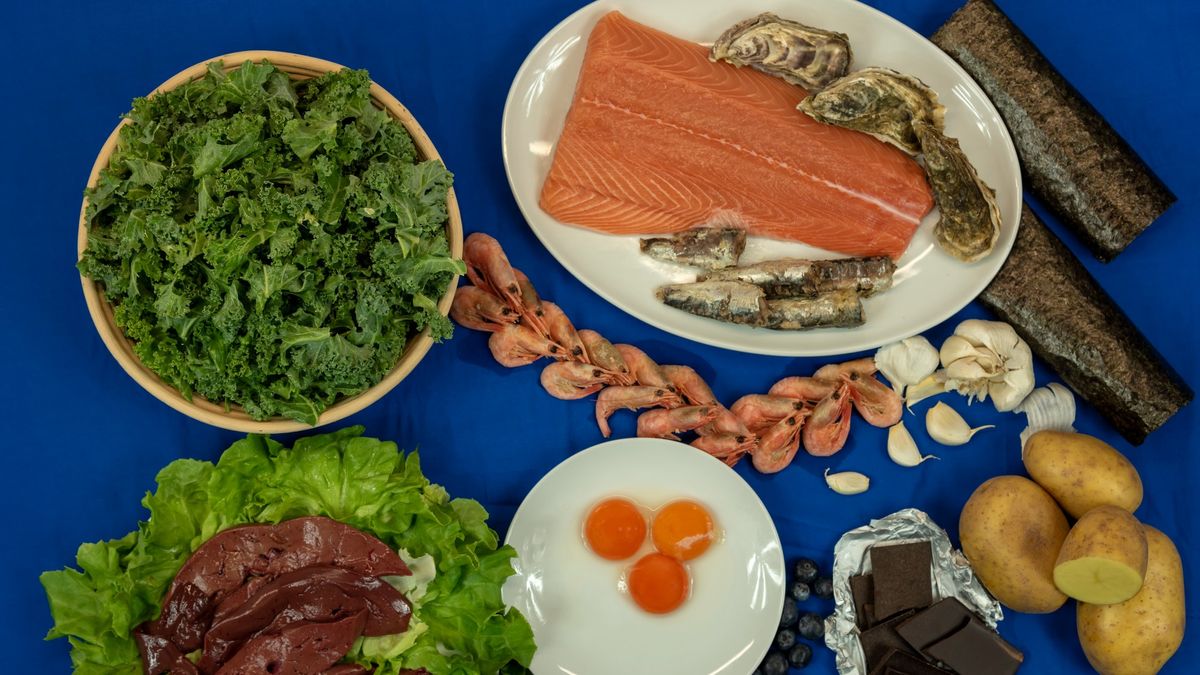
We produce small amounts of choline in our liver but, to get enough, we also need to consume it in food. The most common dietary sources of choline are eggs, red meat, chicken, potatoes, yoghurt, fish, leafy green vegetables, peanuts, kidney beans and mushrooms. Of these, animal-based foods tend to contain more choline than plant-based ones.
Researchers from Arizona State University recruited 15 people with obesity, analysed key chemical levels and biomarkers in their systems and then compared them to those of 15 people of a healthy weight. The results, published in Aging and Disease, show that the people with obesity had less circulating choline, more biomarkers associated with inflammation and higher levels of blood proteins indicating neuron damage.
It was only a small study, and it didn't prove cause and effect, but the "big picture"